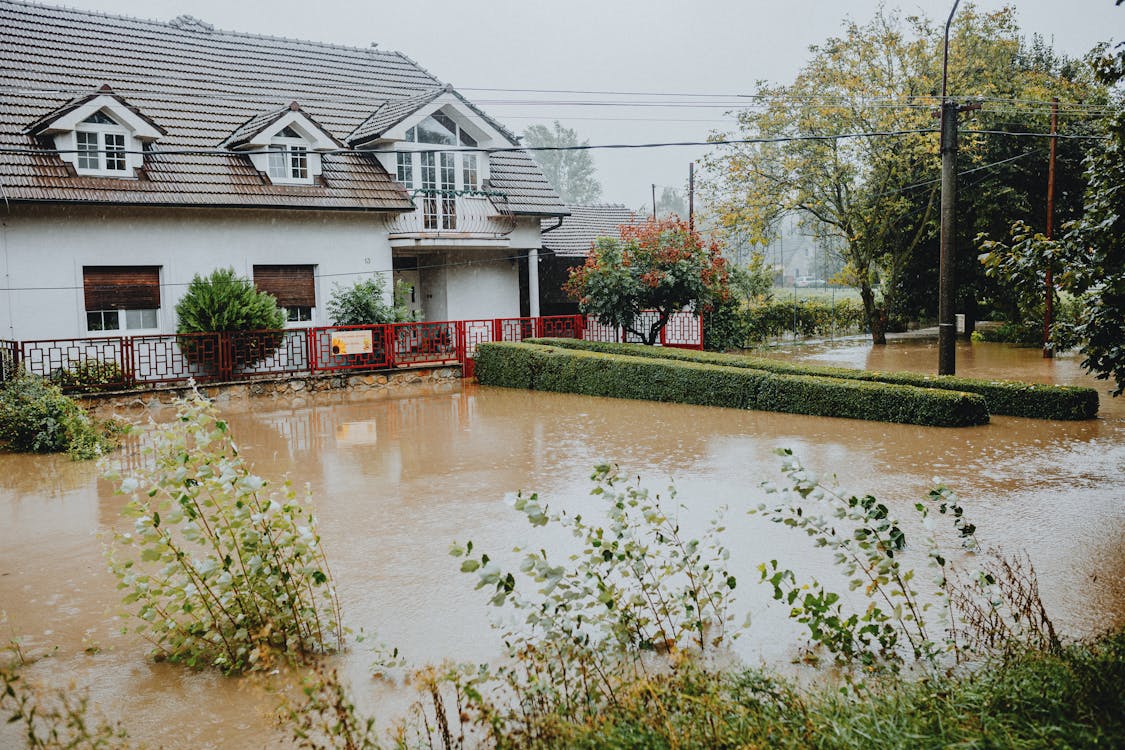
I’ve been in basements that looked like swimming pools. I’ve taken calls at 11pm from homeowners standing ankle-deep in water, panicking, not sure what to do first. After more than twenty years running Bosco Plumbing in Guelph, I’ve seen what this kind of damage does — to a home, to a wallet, and to a family’s peace of mind. Water damage insurance claims from external flooding nearly doubled in Canada in 2025, up 94% over the previous year (Allstate Canada / GlobeNewswire, 2026). If your basement is flooding right now, or you want to make sure it never does, this guide is for you.
Key Takeaways
- Cut the power before you step into standing water. Always.
- Mold begins growing within 24-48 hours of a flood (EPA). Speed matters more than most homeowners realize.
- The average water damage insurance claim in Canada is $23,550 (Canadian Underwriter). Prevention costs a fraction of that.
- Guelph’s Speed River and spring snowmelt create specific local risks that most generic advice ignores.
What Should You Do First When Your Basement Is Flooding?

The wrong move in the first five minutes can cost you thousands — or worse, put you in serious danger. One in 10 Canadian homeowners has experienced basement flooding (Allstate Canada / Léger Research, 2025), and a huge number of them make the same preventable mistakes in those first moments. Here’s what to do, in order.
Step 1 – Cut the Power
Don’t walk into that water until the power is off. I mean it. Water conducts electricity. A submerged outlet, a plugged-in appliance, or a malfunctioning sump pump can turn standing water into a lethal hazard in seconds. Go to your electrical panel — usually at the top of the basement stairs or in a utility room — and kill the circuit breakers for the basement. If your panel is already in the flooded area, do not go in. Call your utility provider and ask them to shut off power at the meter.
Step 2 – Find the Source
Once the power is off, figure out where the water is coming from. This changes everything about how you respond. Is it clear water coming fast? Likely a burst pipe or supply line. Is it coming up from the floor drain or toilet? That’s a sewer backup — keep your distance, it’s a biohazard. Is it seeping in through the walls or window wells? You’re likely dealing with surface water or a failed sump system.
Don’t guess. Walk the perimeter. Check the floor drain. Look at your sump pit. The source determines the fix.
Step 3 – Shut Off the Water (If It’s a Pipe)
If the flooding is coming from a burst or leaking pipe, shut off the main water supply immediately. In most Guelph homes, the main shutoff is near where the water line enters the house, typically in the utility room close to the water meter. Turn it clockwise until it stops. Know where this valve is before you ever need it. I’ve seen homeowners lose 30 minutes of precious time just looking for it.
Step 4 – Move What You Can, Fast
Get valuables, documents, electronics, and furniture off the floor. Don’t try to vacuum or mop yet — that comes later. Right now you’re just limiting losses. If boxes are already wet, move them somewhere dry and elevated. Water spreads faster than you think, especially on concrete with a slight grade.
Step 5 – Call a Licensed Plumber
This is the step most people delay. They think they can manage it themselves with a shop-vac. Sometimes they can. But if the source is a sewer backup, a broken pipe, or a failed sump system, you need a licensed plumber on site — not YouTube.Find a licensed emergency plumber in Guelph
From the Bosco files:
Spring 2014. Wet March, fast melt, and the Speed River was running high. I got a call around 7pm from a homeowner on Clair Road — water was coming in fast and she’d already started bailing with a shop-vac. By the time we got there, she’d been running that vac for two hours and the water level had barely dropped. The sump pump had cut out during a brief power flicker earlier in the afternoon and never restarted. The float switch had stuck. Two hours of shop-vac effort, and she’d moved maybe 40 gallons. The pump, once we reset it, cleared the same volume in under four minutes. The delay cost her a finished rec room. Get to the source first. Always.
What Are the Most Common Causes of Basement Flooding in Guelph?
Water damage now makes up more than 40% of all home insurance claims in Canada between 2021 and 2025, with external flooding alone jumping 94% in a single year (Allstate Canada / GlobeNewswire, 2026). In Guelph specifically, local geography and aging infrastructure create a set of risks that don’t always show up in generic plumbing guides. Here’s what I’ve seen most often.
Sump Pump Failure
The average sump pump lasts about 10 years, and power outages account for roughly 40% of failures (City of Ann Arbor Engineering). The cruel irony: sump pumps fail most often during the exact storms that produce the most runoff. If your pump is over eight years old and you haven’t tested it this spring, that’s a real risk. A stuck float switch, a burned-out motor, or a tripped breaker can turn a manageable situation into a full basement flood in under an hour.
Sewer Backup
Sewer backup is the number-one source of home insurance claims in Canada, with repair costs ranging from $2,000 to $10,000 per event (Institute for Catastrophic Loss Reduction, ICLR). During heavy rain, Guelph’s combined sewer system can get overwhelmed, pushing sewage back up through floor drains and toilets. Older neighbourhoods near the downtown core are especially vulnerable. If you smell sewage or see dark water coming up from floor drains, don’t touch it and don’t try to clean it yourself.
Burst or Frozen Pipes
Our winters are real in Guelph. Pipes that run along exterior walls, in unheated crawlspaces, or near poorly insulated rim joists are prime candidates for freezing. A burst pipe can release hundreds of gallons before you even notice. If you’re heading south for a couple of weeks in February, don’t turn the heat below 15°C — and know where your main shutoff is.
Spring Snowmelt and Surface Water
The Grand River watershed — which includes the Speed River running right through Guelph — sees significant spring flooding most years. The Grand River Conservation Authority (GRCA) operates a three-tier flood warning system, and March 2026 saw flooding across multiple watershed communities (GRCA, 2026). Even homes nowhere near the river can flood when saturated ground can’t absorb melting snow fast enough. Water follows grade and finds any crack or gap in your foundation.
Top Causes of Basement Flooding in Ontario (%)
How Fast Does Water Damage Get Worse?
Flooding costs Canada roughly $2 billion in structural damage every year, and 41% of flooded neighbourhoods flood more than once within three years (Statistics Canada, January 2025). Speed of response is the single biggest factor separating a manageable cleanup from a six-figure rebuild. Here’s how fast things deteriorate once water gets in.
The EPA’s benchmark is 24 to 48 hours for mold spore colonization to begin (EPA / PuroClean). That’s not much time. And in a Guelph basement — typically cooler and poorly ventilated — the conditions for mold are close to ideal once moisture gets into drywall and framing.
How Water Damage Escalates If Untreated
In my experience, the homeowners who end up with the worst outcomes aren’t the ones who had the worst floods. They’re the ones who spent the first three or four hours trying to fix it themselves — moving water with buckets, running fans, hoping it would just dry out. By the time they called us, the drywall had already wicked moisture up two feet, and the subfloor was compromised. The flood itself was a $4,000 problem. The delay turned it into a $14,000 one. Calling a plumber early isn’t admitting defeat. It’s protecting your equity.
How Can Guelph Homeowners Prevent Basement Flooding?
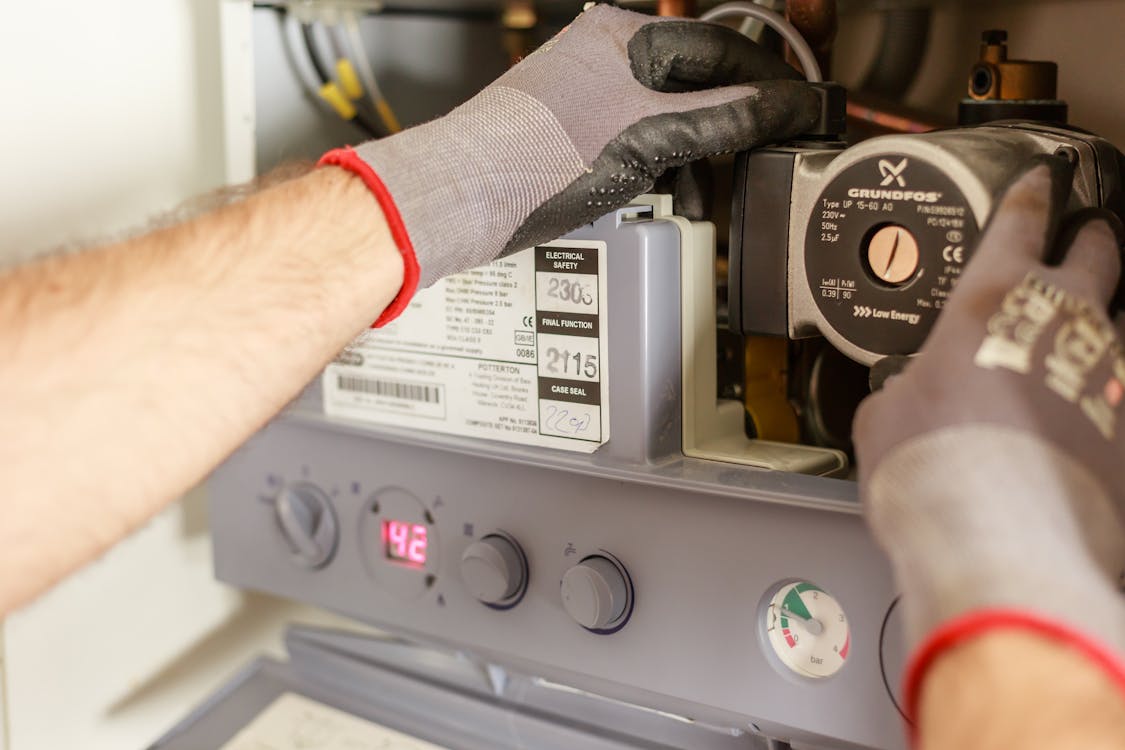
53% of Canadians say they plan no flood prevention measures heading into spring 2026 (Allstate Canada, February 2026). That’s more than half the country leaving a known risk unaddressed. In Guelph, where spring snowmelt, the Speed River, and an aging sewer network all converge, prevention isn’t optional. These five steps are where I’d start.
1. Test Your Sump Pump Every Spring
Pour a bucket of water into your sump pit and watch what happens. The float should rise, the pump should kick on, and the water should clear in under a minute. If it doesn’t, you’ve got a problem — and it’s much better to find out now than during a melt event. Remember, average sump pump lifespan is 10 years. If yours is older, budget for a replacement. A good pump costs $300-$600 installed. A flooded basement costs $23,550 on average (Canadian Underwriter).
Also consider a battery backup unit. When the lights go out during a storm — and they will, eventually — your primary pump is useless without one. A backup system runs $200-$400 and can save you a very expensive night.
2. Install a Backwater Valve
A backwater valve is a one-way check valve installed on your main sewer line. It lets wastewater flow out but automatically closes if sewage tries to come back in. It’s the most effective defence against sewer backup — which, as mentioned, is Canada’s top home insurance claim. Toronto currently offers up to $3,400 in subsidies for backwater valve installation. Guelph does not currently offer an equivalent program, but it’s worth calling the City of Guelph at 519-837-5627 periodically to ask about any updates. Installation without a subsidy typically runs $1,000-$2,000 — still far cheaper than a sewer backup claim.
3. Subscribe to GRCA Flood Alerts
The Grand River Conservation Authority issues flood watches, warnings, and statements for the entire watershed, including the Speed River through Guelph. Sign up for their alerts at grandriver.ca. A 24-hour heads-up before a major melt event gives you time to check your sump, clear your window well drains, and move valuables off the basement floor. That’s often enough. Most homeowners who get flooded in spring never saw it coming because they weren’t watching the watershed.
4. Extend Your Downspouts
Your eavestroughs collect a surprising volume of water during heavy rain. If your downspouts terminate less than six feet from your foundation, that water is pooling right where you don’t want it. Extensions are cheap — under $30 at any hardware store. Make sure the grade of your yard slopes away from the foundation at a minimum of 5% over the first six feet. This one change has prevented more basement floods than most homeowners would believe.
5. Know Your Shutoffs
Find your main water shutoff. Find your sump pump circuit breaker. Write them down and put them somewhere obvious — inside a kitchen cabinet door is a common spot. Tell every adult in your household where they are. In an emergency, 30 seconds of certainty beats five minutes of searching. It sounds basic. But I’ve seen what happens when it isn’t done.
Dealing with a flood in Guelph right now?
I consult with Guelph’s most experienced licensed plumbers through Residential Plumbing Consultants. If you need someone who knows local infrastructure, seasonal patterns, and what insurance adjusters want to see — start here.
Find the best plumbers in Guelph → residentialplumbingconsultants.ca
Frequently Asked Questions
Is basement flooding covered by home insurance in Ontario?
It depends on the cause and your policy. Standard home insurance in Ontario typically covers sudden and accidental damage (like a burst pipe) but excludes gradual water damage or overland flooding without an add-on rider. The average Canadian water damage claim is $23,550 (Canadian Underwriter), and even one claim raises Ontario premiums by about 19% ($376/year). Check your policy now — don’t wait until after a flood.
How do I report a sewer backup in Guelph?
Call the City of Guelph’s after-hours emergency line at 519-837-5628. Report the backup as soon as you suspect a problem in the municipal system — not just on your property. Sewer backup is the number-one home insurance claim in Canada, with average event costs of $2,000 to $10,000 (ICLR). Document the date and time you called. Your insurer may ask for it.
How do I know if my sump pump is still working?
Pour a five-gallon bucket of water slowly into the sump pit. The float should rise, the pump should activate, and the water level should drop within 60 seconds. If nothing happens, the float may be stuck or the pump may have failed. Average sump pump lifespan is 10 years, and 40% of failures occur during power outages (City of Ann Arbor Engineering). Test yours every spring. If you’re also dealing with a toilet that won’t stop running, that’s often a separate issue worth checking — stuck floats are a common problem in both sump pumps and toilet tanks.
What’s the specific flood risk in Guelph?
Guelph sits within the Grand River watershed, with the Speed River running directly through the city. The GRCA operates a three-tier flood warning system, and the region sees meaningful spring melt flooding in most years — March 2026 included (GRCA, 2026). Combined sewer areas near the downtown core face additional risk when storm volume exceeds system capacity. Homes within two kilometers of the Speed River should have a backwater valve and a tested sump pump as a baseline.
Can I clean up a flooded basement myself?
For clean water from a minor pipe leak, yes — wet-dry vac, dehumidifier, fans, and fast action within a few hours can work. But the EPA’s threshold is clear: mold colonization begins within 24 to 48 hours (EPA / PuroClean). Sewer backup or any greywater event requires professional remediation — it’s a biohazard. When in doubt, call a licensed plumber first and a remediation company second. DIY delays almost always cost more than the call.
The Bottom Line on Basement Flooding in Guelph
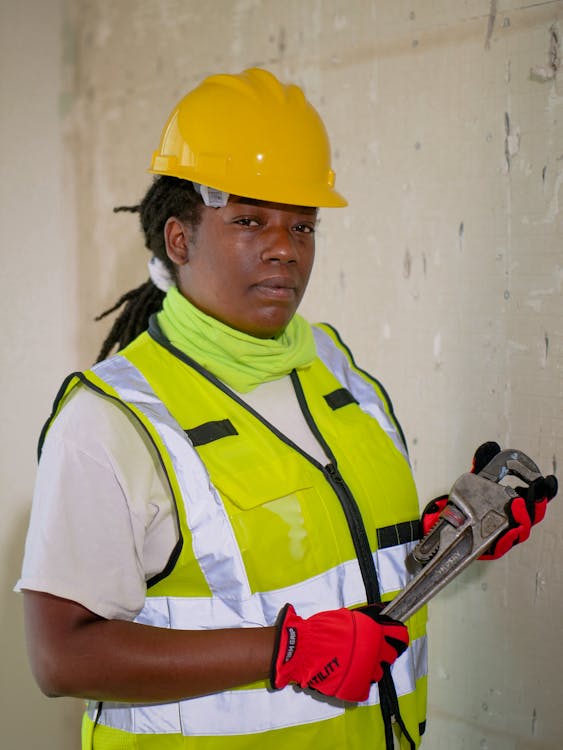
Twenty years of flooded basements in this city taught me a few things. Panic costs money. Delay costs more. And the homeowners who come out ahead are the ones who knew their shutoffs, tested their sump pump before April, and called a plumber instead of reaching for a shop-vac when it mattered.
Flooding costs Canada $2 billion annually in structural damage, and severe weather drove $8.5 billion in insured losses in 2024 alone — the costliest year on record (Insurance Bureau of Canada). That trend isn’t reversing. Guelph’s spring melt season gets more intense, not less. The Speed River will run high again. The question isn’t whether your basement faces risk. It’s whether you’re ready.
Do the five prevention steps before the next melt season. Know your shutoffs. Subscribe to GRCA alerts. And if water is coming in right now — cut the power, find the source, and call someone who knows what they’re doing. If you’re dealing with a clogged drain that’s contributing to water backup, here’s how to unclog a drain without calling a plumber — but for floods and sewer backups, always call a pro.
Roberto Luongo is a licensed plumber in Ontario and the former owner of Bosco Plumbing in Guelph (sold 2018). He now consults on residential plumbing through Residential Plumbing Consultants.