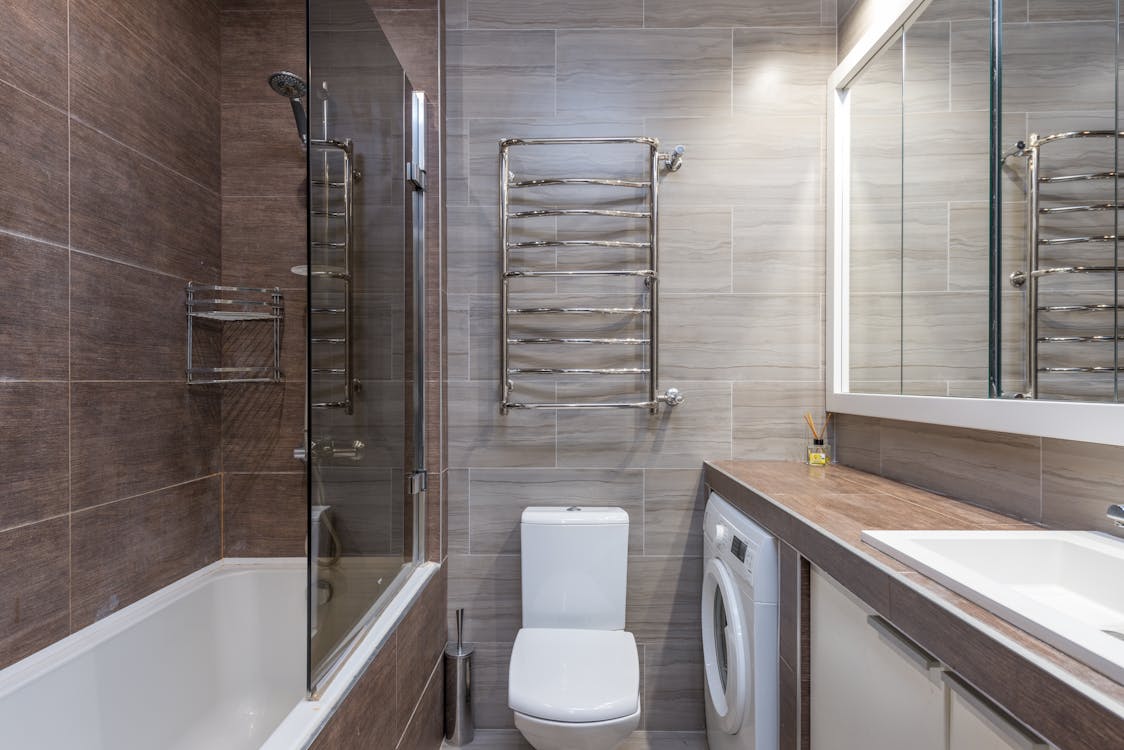
That faint hissing sound coming from your bathroom isn’t just annoying. It’s costing you money. A running toilet wastes up to 200 gallons (757 litres) of water every single day, and at Guelph’s 2025 combined water and wastewater rate of $4.53 per cubic metre, that adds up to roughly $1,236 added to your water bill every year (City of Guelph, 2025). I’ve been a licensed plumber for over 20 years, and running toilets are one of the most common calls I used to get at Bosco Plumbing. The good news: most of the time, you can fix it yourself in under an hour.
Key Takeaways
- A running toilet wastes up to 200 gallons per day — costing Guelph homeowners ~$1,236/year (City of Guelph, 2025).
- The three most common causes are a worn flapper, a float set too high, and a faulty fill valve.
- Most fixes cost $5–$20 in parts and take less than an hour.
- The food dye test lets you pinpoint a flapper leak in under two minutes.
- If the tank is cracked or you hear phantom flushing, call a licensed Guelph plumber.
Citation Capsule: Toilet flappers last 3–5 years under normal conditions, but chlorine-based in-tank cleaning products significantly accelerate rubber degradation (Fluidmaster). The flapper is identified by EPA WaterSense as the most common source of toilet leaks, making it the first component to inspect in any running toilet diagnosis (EPA WaterSense).
How Do You Diagnose a Running Toilet in 5 Minutes?
Diagnosing a running toilet doesn’t require any special tools. Household leaks waste more than 10,000 gallons per year in the average home — the equivalent of 270 loads of laundry (EPA WaterSense) — and catching the exact cause fast means you can stop that waste today. Here’s how to find it.
- Listen first. Stand near the toilet for 30 seconds without flushing. A continuous hiss usually means the fill valve isn’t shutting off. A trickling sound points to water passing the flapper into the bowl.
- Remove the tank lid and look at the water level. If water is flowing into the overflow tube — that vertical pipe in the centre of the tank — your float is set too high. This is easy to spot: water will be flowing over the top of the tube.
- Do the food dye test. Add 5–10 drops of food colouring (or a dye tablet) directly into the tank. Do not flush. Wait 15 minutes. If colour appears in the bowl without flushing, your flapper is leaking. It’s that simple, and it costs nothing.
- Flush and watch the flapper. As the tank refills, watch whether the flapper seats cleanly. If it floats, wobbles, or sits crooked, it’s worn or the chain is too short or tangled.
- Check the fill valve. Press down lightly on the float arm (the arm attached to the float). If the hissing stops, the float is set too high. If it doesn’t stop, the fill valve itself needs replacing.
Write down which test failed. That tells you exactly what to buy at the hardware store. Most parts are universal or listed by toilet brand on the package.
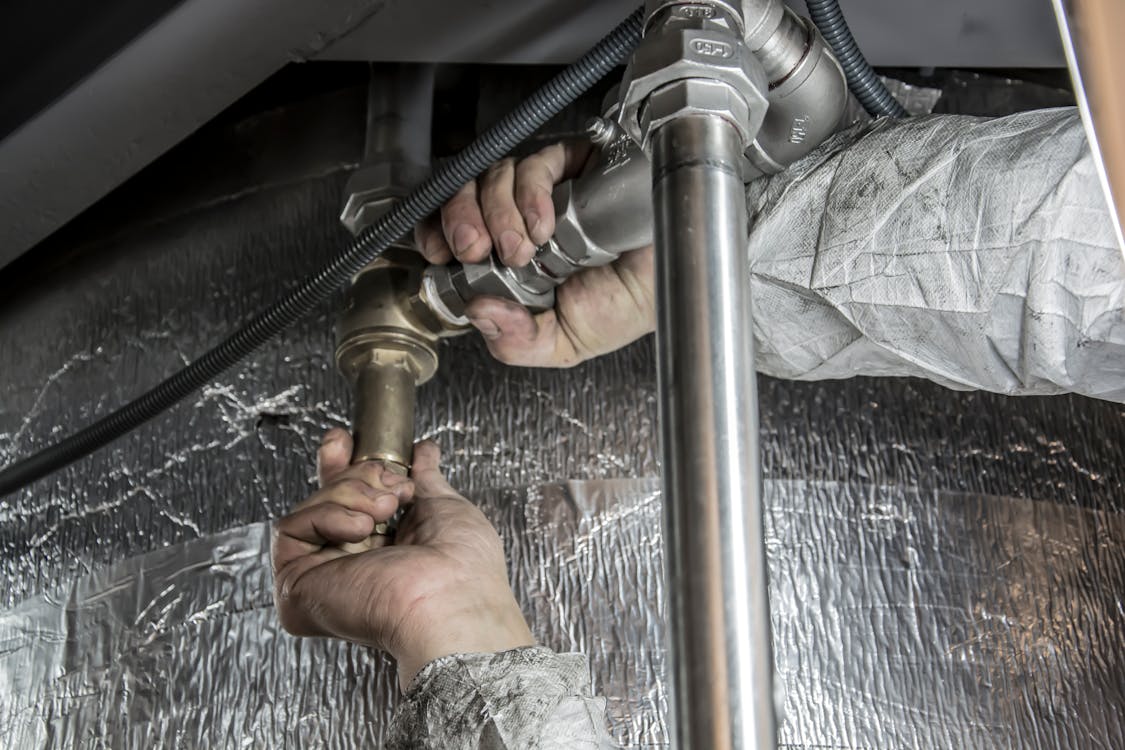
How Do You Fix a Running Toilet — Step by Step?
Fixing a running toilet is one of the most cost-effective home repairs you can make. Replacing a flapper costs $5–$10, and fixing household leaks saves an average of 10% on water bills (EPA WaterSense). At Guelph rates, that means a simple flapper swap can pay for itself within days.
Fix 1: Replace the Flapper
- Turn off the water supply valve — it’s the oval handle on the wall behind the toilet. Turn it clockwise until it stops.
- Flush to empty the tank.
- Unhook the old flapper from the two pegs on either side of the flush valve seat. Disconnect the chain from the flush handle arm.
- Take the old flapper to the hardware store to match the size and brand, or buy a universal flapper.
- Snap the new flapper onto the pegs. Attach the chain to the flush arm, leaving about half an inch of slack.
- Turn the water supply back on and let the tank fill. Flush once and check the seal holds.
Fix 2: Adjust the Float
- If you have a ball float (the large round ball on an arm), bend the arm slightly downward. This lowers the water level cutoff point.
- If you have a cup float (a cylinder around the fill valve), pinch the clip and slide the float down the valve shaft.
- The correct water level sits about one inch below the top of the overflow tube. Adjust and flush to confirm.
Fix 3: Replace the Fill Valve
- Turn off the supply valve and flush to empty the tank.
- Sponge out any remaining water from the tank bottom.
- Disconnect the supply line from the bottom of the fill valve (have a towel handy).
- Unscrew the lock nut under the tank — usually hand-tight. Lift the old valve out.
- Insert the new fill valve, set the height per the package instructions, and hand-tighten the lock nut.
- Reconnect the supply line, turn the water back on, and adjust the float height as needed.

Citation Capsule: At Guelph’s 2025 combined water and wastewater rate of $4.53 per cubic metre, a toilet running at 200 gallons per day adds approximately $1,236 per year to a household water bill. Even a slow leak of 30 gallons daily adds over $185 annually — costs that a $5–$10 flapper replacement eliminates entirely (City of Guelph, 2025; EPA WaterSense).
When Should You Call a Guelph Plumber?
Most running toilet repairs are genuinely DIY-friendly, but some problems go beyond a new flapper or float adjustment. Fixing household leaks saves around 10% on water bills (EPA WaterSense), but those savings disappear fast if a deeper issue keeps causing the same leak. Here’s when to stop tinkering and call a pro.
Back when I ran Bosco Plumbing, a customer in the Stone Road area called about a toilet that kept running no matter how many flappers he’d replaced. Turned out the porcelain flush valve seat had a hairline crack that was wearing out every new flapper within weeks. He’d spent $40 on parts trying to fix it himself. A new toilet cost him $280 installed. Sometimes the part isn’t the problem.
Call a licensed plumber if you notice any of these:
- Phantom flushing — the toilet refills on its own every few minutes, even when no one has used it. This often points to a deteriorated flush valve seat, not just the flapper.
- Cracks in the porcelain tank or bowl. No repair will fix a structural crack. The unit needs replacing.
- Water on the floor around the base. This can indicate a failed wax ring seal, which requires removing the toilet entirely.
- Fill valve that won’t stop even after replacement. Low water pressure or a faulty shut-off valve on the supply line may be the real culprit.
- An older toilet that keeps having problems. If your toilet is more than 20 years old and has had multiple issues, replacement often makes more financial sense. A WaterSense-certified toilet saves about 13,000 gallons and $130 per year, with lifetime savings reaching $3,400 (EPA WaterSense).
A good plumber can diagnose the problem in one visit and give you honest advice on whether a repair or replacement makes more sense. Don’t keep buying parts for a toilet that needs to be retired.
Citation Capsule: A WaterSense-certified toilet uses 1.28 gallons per flush or less and saves approximately 13,000 gallons and $130 per year compared to older models. Over the lifetime of the toilet, that amounts to $3,400 in water savings — making replacement a financially sound option for older, repeatedly failing units (EPA WaterSense).
Need a trusted plumber in Guelph?
If your running toilet is beyond a DIY fix, or you’d rather have a licensed professional handle it from the start, find vetted Guelph plumbers here.
Frequently Asked Questions
How much does a running toilet cost in Guelph?
At Guelph’s 2025 combined water and wastewater rate of $4.53 per cubic metre, a toilet wasting 200 gallons per day adds approximately $103 per month — or $1,236 per year — to your water bill. Even a slow silent leak of 30 gallons a day adds over $185 annually (City of Guelph, 2025).
What is the most common cause of a running toilet?
The flapper is the most common cause, identified as such by EPA WaterSense. It’s a rubber seal at the bottom of your tank that wears out every 3–5 years. When it doesn’t seal cleanly, water seeps continuously into the bowl. A replacement flapper costs $5–$10 at any hardware store (EPA WaterSense; Fluidmaster).
Can I fix a running toilet myself?
In most cases, yes. Replacing a flapper or adjusting a float requires no special tools and takes under 30 minutes. A full fill valve replacement is also manageable for most homeowners. The only tools you need are a sponge, pliers, and the replacement part. Parts typically cost $5–$20 total.
How long does a toilet flapper last?
Under normal conditions, a toilet flapper lasts 3–5 years (Fluidmaster). However, using chlorine-based in-tank cleaning tablets can cut that lifespan to under a year. Hard water and mineral buildup also accelerate wear. If you use tank tablets, expect to replace your flapper more frequently than the standard timeline suggests.
Why does my toilet run for a few seconds then stop?
This is called “phantom flushing” or intermittent running. It usually means the flapper has a slow leak — water seeps silently into the bowl until the tank level drops enough to trigger the fill valve. The fix is typically a new flapper. If replacing the flapper doesn’t solve it, the flush valve seat may be damaged and need professional attention.
Conclusion
A running toilet isn’t a minor annoyance. It’s a drain on your water budget that compounds every single day it goes unfixed. At Guelph rates, that’s real money: up to $1,236 a year for an average running toilet, and over $185 even for a slow, silent leak you can’t hear.
The good news is that most running toilets come down to three things: a worn flapper, a float set too high, or a tired fill valve. The food dye test takes two minutes and tells you exactly which one to address. Parts cost under $20. The fix usually takes less than an hour.
Do the dye test today. If the problem is beyond a simple part swap — a cracked tank, phantom flushing that keeps returning, or a toilet that’s seen better decades — don’t keep throwing parts at it. Know when to call someone who can fix it right the first time.
Ready to stop overpaying on your Guelph water bill? Find the best-reviewed plumbers in Guelph here — and get the job done properly.
If your toilet issue needs professional help, find a vetted plumber in Guelph through our network.